
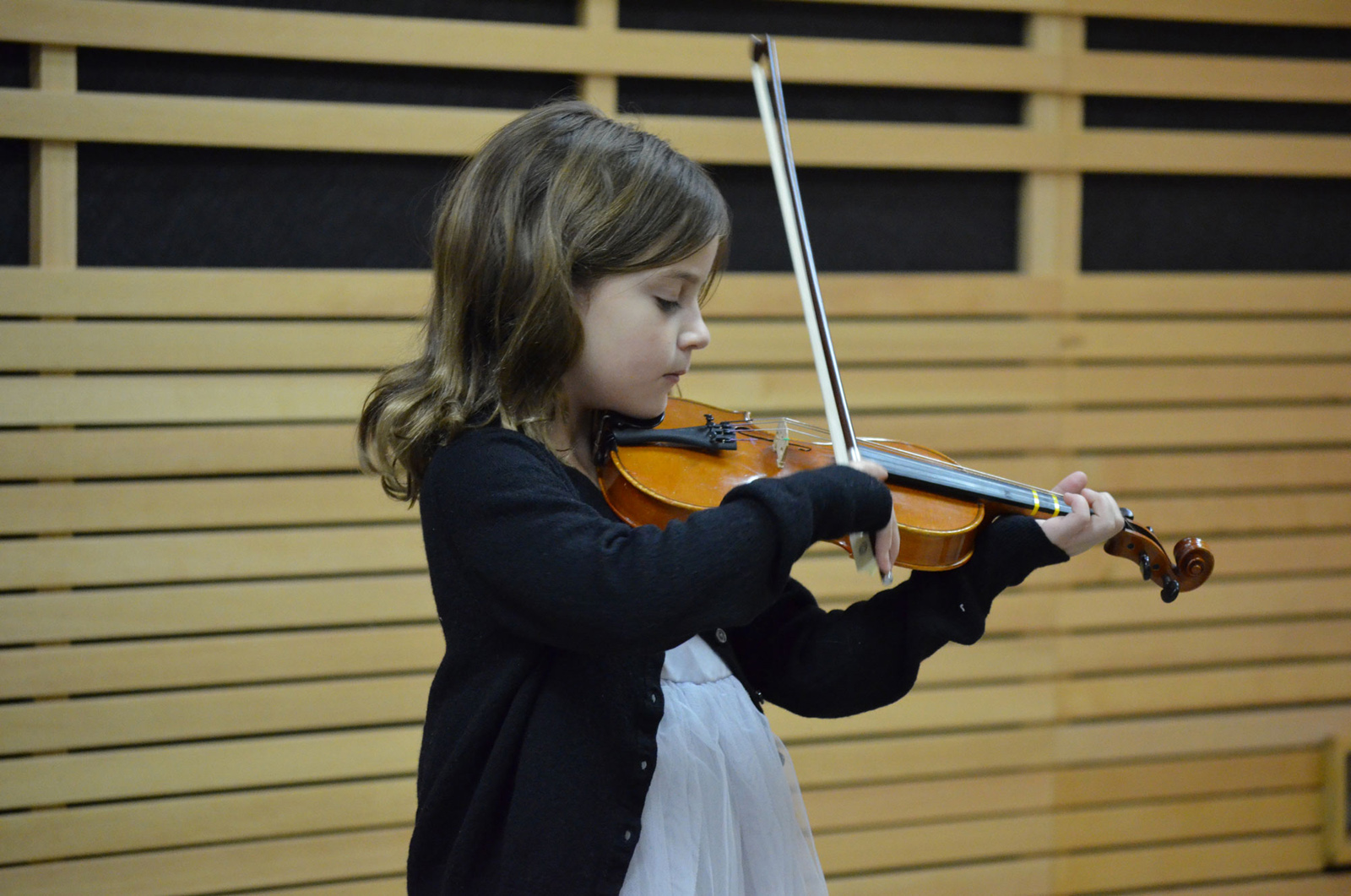
Where do you start?
The Musical Journey
|
Stage one
Beginning the Journey
Develop foundational skills in violin technique, posture, bow hold, rhythm, and listening while exploring melodies and discovering the music that interests you. Students build confidence, establish good playing habits, begin developing their repertoire, and learn to make music through listening and imitation. |
||
|
Stage two
Developing Your Skills
Expand your repertoire, strengthen technical control, and deepen your understanding of rhythm, phrasing, and musical structure. Students develop greater independence, explore traditional styles, learn to play with others, and begin arranging or composing music as they develop their own musical ideas. |
||
|
Stage three
Deepening Your Artistry
Refine technique, interpretation, and musical expression while exploring stylistic nuance and personal creativity. Students develop their own musical voice, make increasingly independent decisions about phrasing and arrangement, and deepen their musicianship through original composition, ensemble playing, performance, and opportunities to share music with others. |
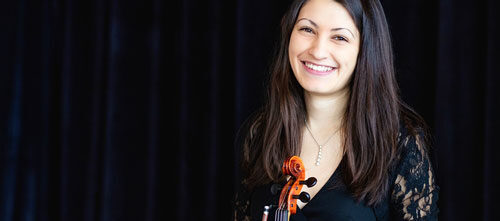
Strings at SAM
At Squamish Academy of Music, violin lessons develop well-rounded musicians who can play with skill, understanding, creativity, and personal expression. With a distinctive focus on traditional folk music, students develop technique and musical understanding through listening, learning by ear, building repertoire, and making music with others. Through ensemble playing, original composition, arranging, and supportive performance experiences, students discover not only how music works, but how to make it their own.
More Than Repertoire: Developing Musical Independence
Violin lessons develop the knowledge and skills students need to become independent musicians, balancing technical development with listening, creativity, expression, and musical understanding.
Students build a repertoire of traditional melodies while developing the ability to listen, recognize patterns, learn music by ear, and apply their skills to new pieces.
Learning Through Tradition, Listening, and Exploration
Traditional fiddle music from around the world is central to the program, giving students opportunities to explore different musical traditions and develop a repertoire beyond a single style.
Learning by ear, listening, imitation, and repetition help students internalize melodies, rhythm, phrasing, and style.
Beginner classical pieces or Suzuki repertoire may also be explored when they align with a student’s interests and the instructor’s approach.
Technique in Service of Expression
Students develop foundational skills in posture, instrument setup, bow hold, and violin technique.
As their skills develop, they gain greater control over tone, rhythm, articulation, phrasing, and musical character.
Technique supports comfortable, sustainable playing and gives students more choices in how they shape and express music.
From Musical Understanding to Creativity
Students are encouraged to explore original composition and arranging, including at developing stages of their musical journey.
Rather than only reproducing existing pieces, students can experiment with musical ideas, adapt melodies, and begin making creative decisions of their own.
This approach helps students connect their technical skills and musical understanding with their own ideas and interests.
Ensemble Playing, Collaboration, and Shared Learning
Ensemble playing is a central part of the strings experience. Students develop the listening, timing, coordination, and responsiveness needed to play with other musicians.
Through small-group ensemble preparation, performance/technique group classes, and traditional fiddle sessions, students learn to contribute to a shared musical experience.
Playing together also helps students develop stage presence, confidence, camaraderie, and a sense of belonging within a musical community.
A Supportive Environment for Lifelong Musicianship
Students learn to use feedback constructively, celebrate one another’s progress, and approach challenges with curiosity.
Individual and group learning experiences encourage confidence, motivation, and the ability to make music independently and with others.
SAM aims to help students develop the skills, creativity, connection, and confidence to continue making music throughout their lives.
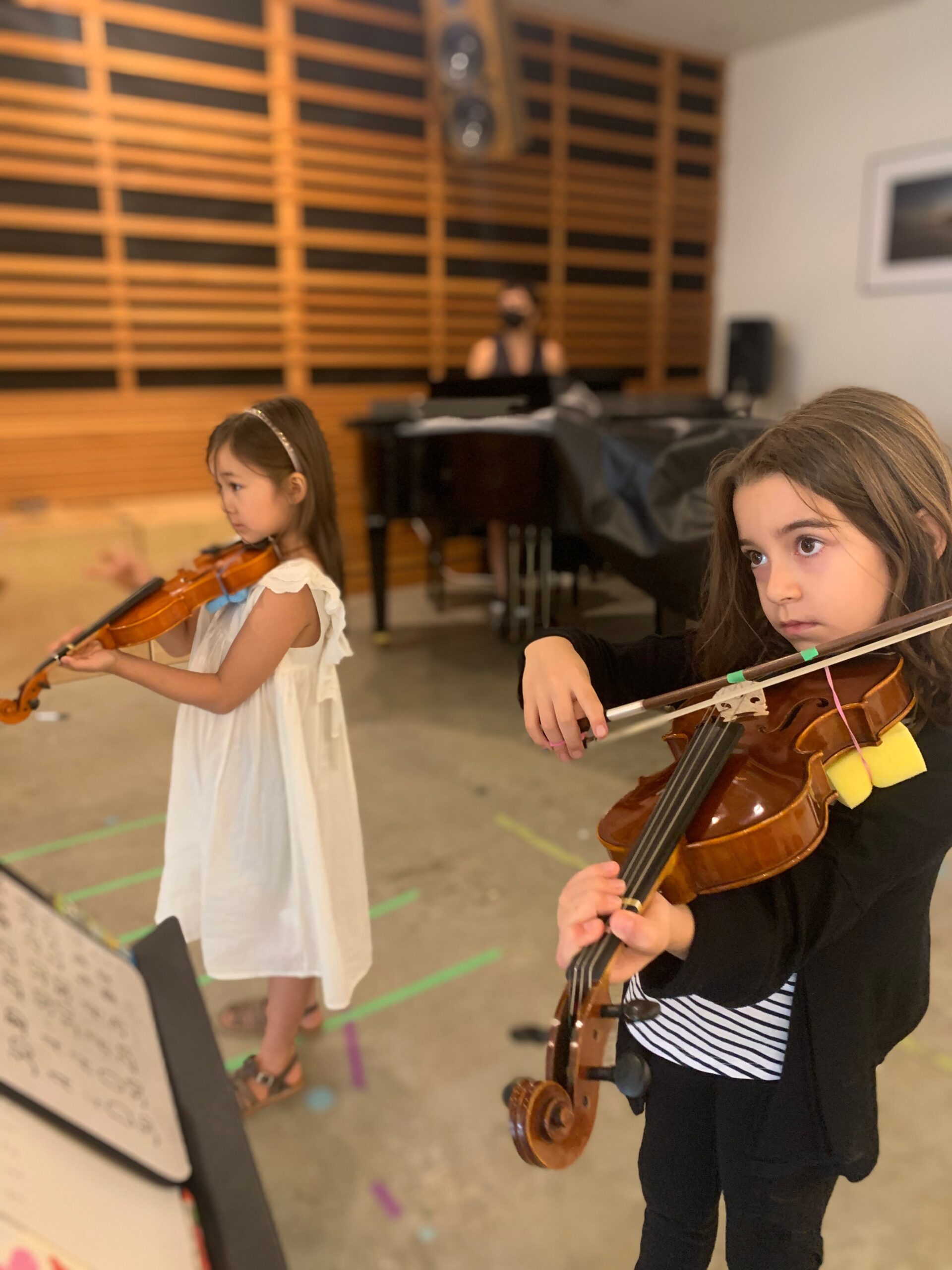
Music you love
Traditional fiddle music provides a rich foundation for this learning. Students explore repertoire drawn from folk traditions around the world, developing an appreciation for the character, rhythms, and styles that distinguish different musical traditions. While traditional music is the primary focus, beginner classical pieces and Suzuki repertoire may also be incorporated when they align with a student’s interests and the instructor’s approach. This allows lessons to respond to the individual learner while maintaining the distinctive character of the program.
Creativity is another important part of the string experience. Students are encouraged to explore original composition and arranging, even while their technical skills are still developing. They may begin adapting a melody, experimenting with musical ideas, or creating their own material with guidance from their instructor. These experiences help students see themselves not only as performers of existing music, but as active participants in the creative process.
Our violin teachers
We believe that great violin teachers do more than teach notes, bowing, and repertoire. They help students build confidence, develop creativity, and discover the joy of making music.
Our string instructors are skilled musicians with a strong understanding of violin, musicianship, and a passion for teaching. They bring their musical interests and areas of expertise to their work with students, helping learners develop technical foundations, explore repertoire, and discover the possibilities of playing music independently and with others.
We seek strings teachers who:
- Demonstrate strong proficiency on their instrument and a solid understanding of technique, musicianship, repertoire, and interpretation
- Are confident teaching within their areas of expertise and can communicate their musical knowledge clearly
- Adapt lessons to meet each student’s goals, interests, experience, and learning needs
- Balance technical development and musical understanding with creativity, self-expression, and enjoyment
- Help students develop listening skills, musical independence, and the ability to learn music beyond their lessons
- Encourage students to explore musical ideas through repertoire, arranging, composition, and collaboration where appropriate
- Value ensemble playing and understand the importance of listening, communication, and responsiveness when making music with others
- Communicate clearly and professionally with students, families, and colleagues
- Foster confidence, curiosity, and a lifelong appreciation for music
- Value collaboration, community, and personal connection, and encourage students to learn with and from one another
- Believe that musical development is possible for every student
- Contribute positively to our welcoming and supportive academy culture
Private lessons or group classes?
Private lessons provide individualized instruction tailored to a student’s goals, progress, technique, and learning needs.
Group classes offer shared musical experiences and opportunities to develop listening, collaboration, ensemble skills, and confidence while learning alongside other musicians. Both formats contribute to a student’s musical development in different ways.
Violin Lesson Pricing & Registration
Violin lesson fees vary by format and program. For private lesson fees and availability, visit our Private Lessons page. For group class and ensemble pricing, each program is listed with its own fee on our Programs page. You are also welcome to contact the SAM office, and we will walk you through the options.
Squamish Academy of Music partners with the Community Access Music Project Society to provide bursary support for eligible families. Our admin staff can point you in the right direction.
Violin lesson FAQs
What makes violin lessons at SAM different?
At SAM, violin lessons develop well-rounded musicians through a distinctive focus on traditional music, learning by ear, creativity, arranging, and ensemble playing. Students build technical skills and musical understanding while developing their own ideas, learning to play with others, and gaining the confidence to make music independently and collaboratively.
What is the difference between violin and fiddle?
Violin and fiddle refer to the same instrument. The terms often reflect different musical styles and traditions rather than different instruments. At SAM, the program has a particular focus on fiddle music from around the world, while lessons may also incorporate beginner classical pieces or other repertoire that interests the student.
How do SAM teachers personalize violin lessons?
Teachers adapt lessons to each student’s goals, interests, experience, and learning needs. Students build their technique and repertoire while exploring traditional music, learning by ear, and developing their musical independence. Students interested in composition or arranging can also explore their own musical ideas with their instructor.
What violin lessons and group programs are available at SAM?
SAM offers group classes as well as a lesson track that combines private instruction with ensemble preparation, performance/technique group classes, and opportunities to participate in traditional fiddle sessions. Group program availability and eligibility vary.
What is the difference between private lessons and group classes?
Private lessons provide individualized instruction tailored to a student’s goals, progress, technique, and learning needs. Group classes offer shared musical experiences and opportunities to develop listening, collaboration, ensemble skills, and confidence while learning alongside other musicians. Both formats contribute to a student’s musical development in different ways.
Who teaches violin at SAM?
Our string instruction is led by teachers with the ability to support a broad range of musical interests, with a focus on building individual technique, ensemble playing, and creative musicianship. Students benefit from an approach that emphasizes learning by ear, repertoire development, collaboration, and opportunities to explore original composition and arranging.
Do violin students learn to read music?
Students can develop music-reading skills alongside their instrumental technique and listening abilities. The balance of reading, learning by ear, and other approaches depends on the student’s experience, goals, and instructor’s teaching approach. The aim is to help students become capable, independent musicians who can engage with music in different ways.
Do violin students learn classical music?
The primary focus of our current strings program is traditional fiddle music from around the world. Beginner classical pieces or Suzuki repertoire may also be explored when they align with a student’s interests and the instructor’s approach. Families looking for a specific classical curriculum or formal examination pathway should contact us to discuss whether the current program is a suitable fit.
Will violin lessons at SAM prepare me for a Royal Conservatory of Music exam or adjudicated festival?
Our current strings program focuses on traditional fiddle music, learning by ear, creative musicianship, and ensemble playing. We do not currently offer formal RCM violin examination preparation or adjudicated festival preparation. Students do have opportunities to prepare for studio recitals and community performances.
Can beginners learn to play in an ensemble?
Yes! All string players are encouraged to participate in ensembles at SAM. Specific ensemble opportunities depend on a student’s experience, readiness, and the requirements of the particular group. Your instructor can help identify an appropriate opportunity as your skills develop.
Does SAM offer violin lessons for adults?
Yes! SAM offers both private lessons and a Beginner Violin for Adults group class. Beginner adults focus on foundational technique, learning by ear, accessible folk and classical melodies, effective practice habits, and making music in a supportive group setting.
Availability, schedules, and group programs can change throughout the year. Visit the current Strings Programs listing or contact the SAM office for help finding a suitable lesson time or class.
Are there performance or collaboration opportunities?
Yes! Ensemble playing and shared musical experiences are central to the strings program. Students prepare ensemble repertoire, participate in performance/technique group classes, and have opportunities to join traditional fiddle sessions.
Does SAM offer cello lessons?
SAM’s current private strings instruction focuses on violin. We have offered cello instruction in the past, but a cello teacher is not currently available. Please contact the SAM office if you are interested in cello lessons, as availability may change.
Does SAM offer bursaries or financial support?
Yes. Squamish Academy of Music partners with the Community Access Music Project Society to provide bursary support for eligible families. Our admin staff can point you in the right direction.
How much do violin lessons cost?
Violin lesson fees vary by format and program. For private lesson fees and availability, visit our Private Lessons page. For group class and ensemble pricing, each program is listed with its own fee on our Programs page. You are also welcome to contact the SAM office, and we will walk you through the options.
How do I find current violin lesson availability?
Availability, schedules, and group programs change through the year. Our Programs & Lessons page lists current offerings, including program details, ages, schedules, and instructors. If you cannot find a fit, contact the SAM office and we will help you explore the available options.
What age do you recommend starting violin lessons?
We generally recommend starting violin lessons around age 7. However, younger children who are keen and expressing a genuine interest in the instrument may also be ready to begin. Readiness depends on the individual child, their interests, and their ability to engage with the instrument and lesson activities. Contact the SAM office to discuss the best fit.
Are violin lessons suitable for complete beginners?
Absolutely! Our strings program welcomes learners who are developing their first musical skills. Students build foundational technique, listening abilities, repertoire, and confidence progressively.
Does SAM sell or rent violins?
SAM does not currently sell or rent violins. For instrument purchases or rentals, we recommend Long & McQuade or Tom Lee Music. Their teams can help you select an instrument suited to your needs and assist with setup.
Does SAM sell violin accessories?
SAM does sell violin accessories, including tuners, rosin, shoulder rests, and strings. Contact the SAM office if you need supplies or guidance on what your instructor recommends.
Do you sell violin books and print music?
Your instructor will recommend resources suited to your level and goals. These may be available for purchase through the SAM office or sourced independently. Please contact the office if you are interested in purchasing specific books, repertoire, or learning materials.
What should I bring to my violin lesson?
Bring your violin and bow, along with any music or learning materials you’re currently working with. Your teacher may recommend additional items, such as a notebook, pencil, or other practice resources.